Kent Mountain Massif
Attraction
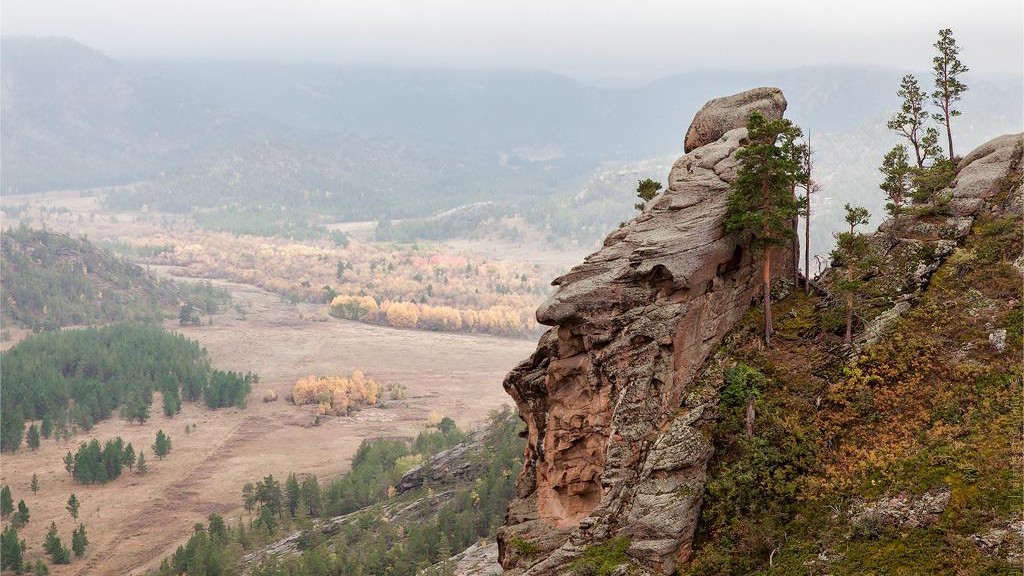
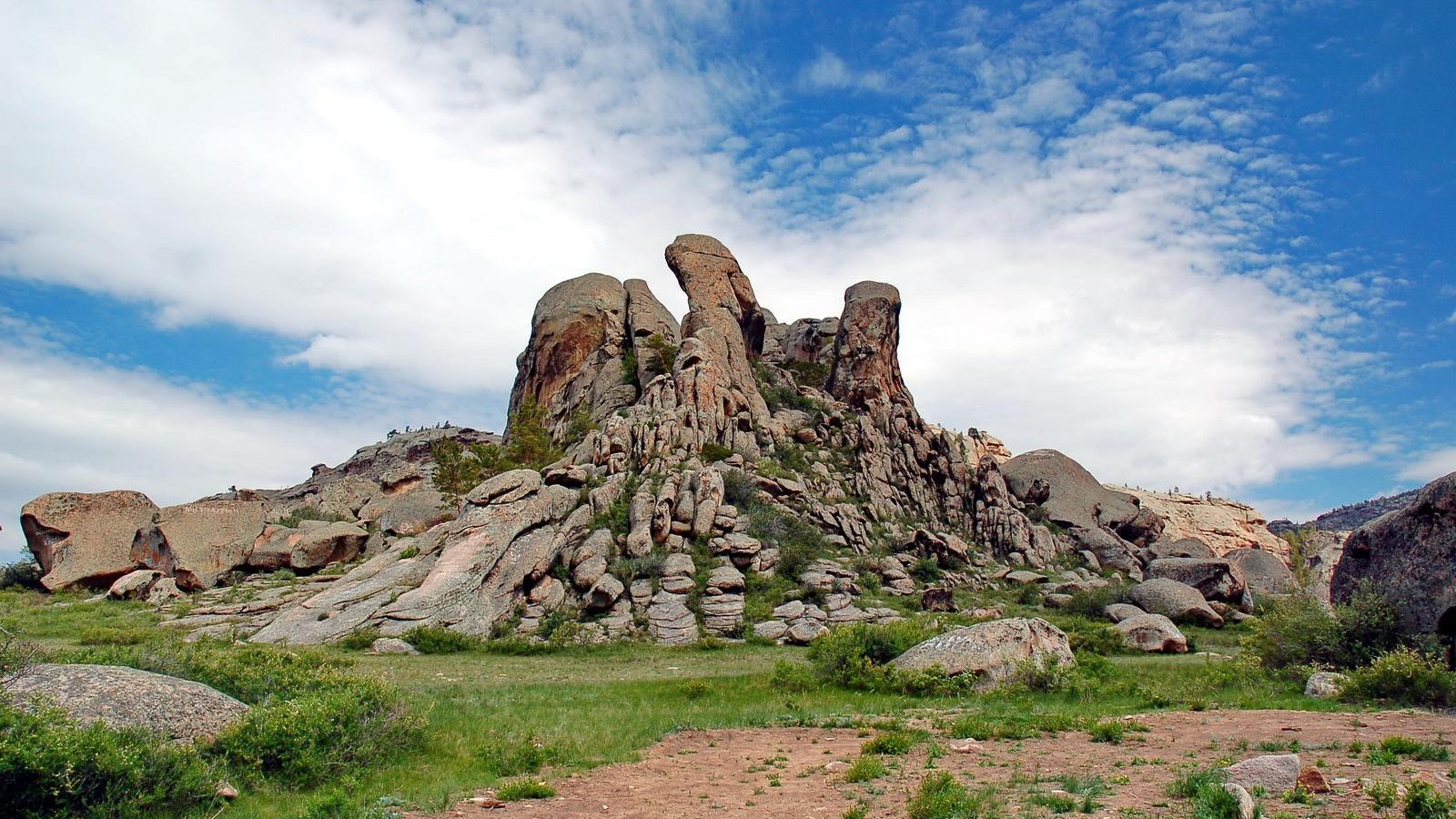
The Kent Mountain Massif is a major natural complex in the Karaganda Region and forms part of the Karkaraly State National Natural Park. The Kent Mountains are known for their granite cliffs, gorges, forests, and steppe landscapes. Together with the Karkaraly Mountains, they form the Karkaraly-Kent mountain cluster. The Kent range includes numerous rocky ridges and peaks. Points of special interest include the Kyzylkent Palacе, the ancient Kent settlement, and natural rock formations. The Kent Massif is also a natural habitat for the Argali (mountain sheep), a rare species listed in the Red Data Book of Kazakhstan.
Operating Schedule
The Kent Massif is not a standalone site with fixed opening hours—it is located within the national park territory. While the park itself is generally noted as accessible 24/7, visiting specific natural zones and trails is regulated by the special protection regime of the area.
Before traveling to the Kent Massif, it is advisable to check trail conditions and current visiting rules with the park administration.
Entrance Fee
Approved tariffs apply for hiking trails, viewpoints, and bivouac clearings within Karkaraly National Park. Regulatory documents indicate the tariff as 0.1 MCI (Monthly Calculation Index) per person per day, with additional services charged separately.
Since tariffs are subject to change, it is best to verify current costs directly with the park before your trip.
Contact Information
Karkaraly State National Natural Park
Address: 1 M. Mamraev St., Karkaralinsk, 100800
Information hotline: +7 (72146) 31-2-17
Additional phone: +7 (72146) 31-2-14
E-mail: karkaralinskiignpp@mail.kz
Registry phone: +7 (72146) 32-38-0
Transport Accessibility
From Karaganda to Karkaraly, the distance is about 230 km, taking roughly 4 hours by car.
Reaching the Kent Massif directly is best done using a high-clearance vehicle or as part of an organized tour, as some access roads may be unpaved dirt roads. Once near the natural sites, certain sections must be explored on foot across mountainous terrain.
Best Time to Visit
May–September — the most convenient period for hikes and excursions.
June–August — optimal for long walking routes.
September–October — particularly scenic for autumn landscapes.
In winter, accessibility to certain trails can be significantly impaired due to snow and weather conditions.
Difficulty Level
Moderate.
Walking along accessible areas requires no special preparation, but routes leading to rock formations and peaks may involve climbs, rocky surfaces, and uneven terrain. For longer treks, athletic footwear, water, a headwear, and navigation are recommended.