The Ancient Settlement of Kent
Location and Geography
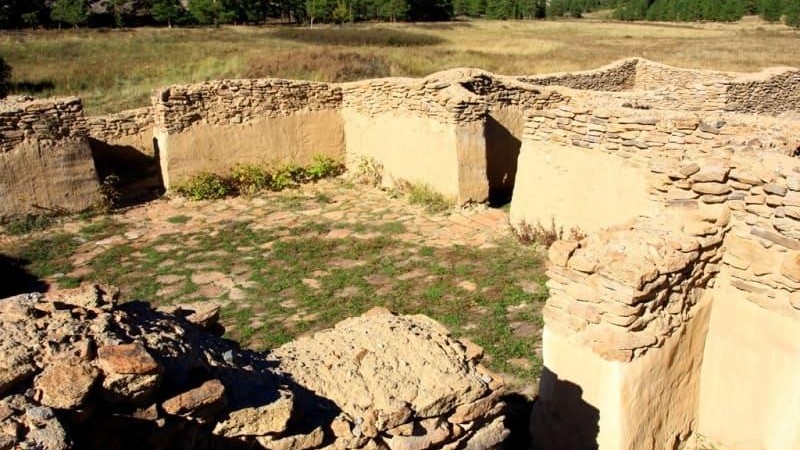
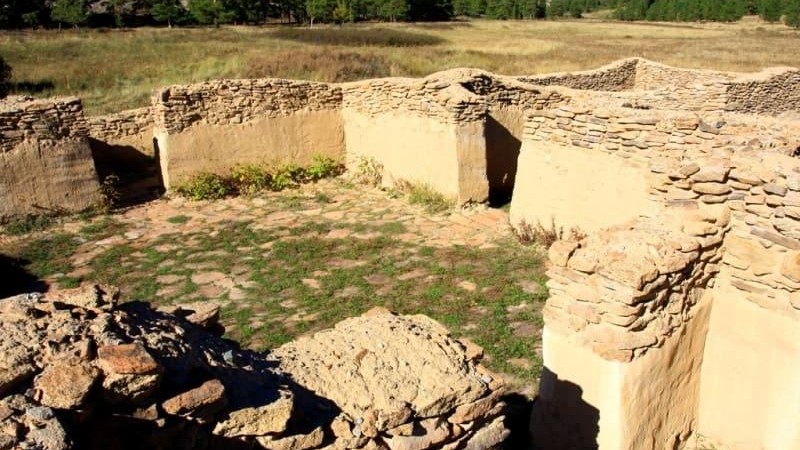
The Kent archaeological site is located in the Karkaraly district of the Karaganda region, approximately 6 km from the village of Kent. It is situated in a picturesque mountain-forest area on the right bank of the Kyzylkenysh River valley.
Historical Significance
According to scientific research, the Kent settlement (13th–9th centuries BC) was one of the largest centers of the Begazy-Dandybai culture of the late Bronze Age, spanning the territory between the Ural and Altai Mountains. The scale of the settlement is impressive: residential and outbuildings occupied approximately 30 hectares across both banks of the river. Archaeologists estimate that the population reached 2,500 to 3,000 people, making it a significant protocity (early urban center) for that era.
Archaeological Findings
Since the 1980s, the monument has been studied by the archaeological group from the Buketov Karaganda University. The cultural strata reach a depth of 1.2 meters, revealing a wealth of artifacts:
Bronze Objects: More than 100 items discovered, including spearheads, arrowheads, knives, daggers, sickles, and hammers.
Bone Carving: A highly developed craft, evidenced by decorated combs, buttons with rich patterns, and various tools.
Stone Tools: Axes, hoes, and grain grinders crafted with high technical skill.
Economic and Administrative Status
Kent was not a typical settlement but a sophisticated protocity with distinct functional zones: residential quarters, metallurgical production areas, ritual complexes, and trading posts. Residents did not limit themselves to copper mining; they also controlled the production and trade of tin—a strategically vital metal of the Bronze Age—serving as key intermediaries on ancient trade routes.
A Sacred and Political Center
Surrounded by majestic mountains, Kent was one of the holiest sites of its time. The discovery of temples and places of worship suggests that the settlement served as the center of a tribal association. It was a place where spiritual rituals were performed and major administrative decisions were made by the rulers of the time.
We recommend viewing these places